

Styling a country wedding is often most successful when the setting leads the design. At Forest Edge in Gembrook, our gardens, surrounding views, open countryside and warm reception spaces already provide a strong foundation for a wedding that feels relaxed, refined and connected to place. Rather than relying on heavy styling or trends that could belong anywhere, the most memorable celebrations take their cues from what is already beautiful on the property.
For couples searching for a wedding venue in Gembrook, this approach can make every design choice feel more intentional. Colour palettes, florals, lighting, furniture, stationery and personal details all work best when they feel connected to the landscape and the way guests move through the day. A garden ceremony, indoor reception and evening celebration should feel like parts of the same story, not separate spaces styled in isolation.
At Forest Edge, we encourage couples to think about styling as a way of enhancing the setting rather than covering it. The right choices can frame the views, soften the reception space, support guest comfort and create a celebration that feels personal without feeling overdone.
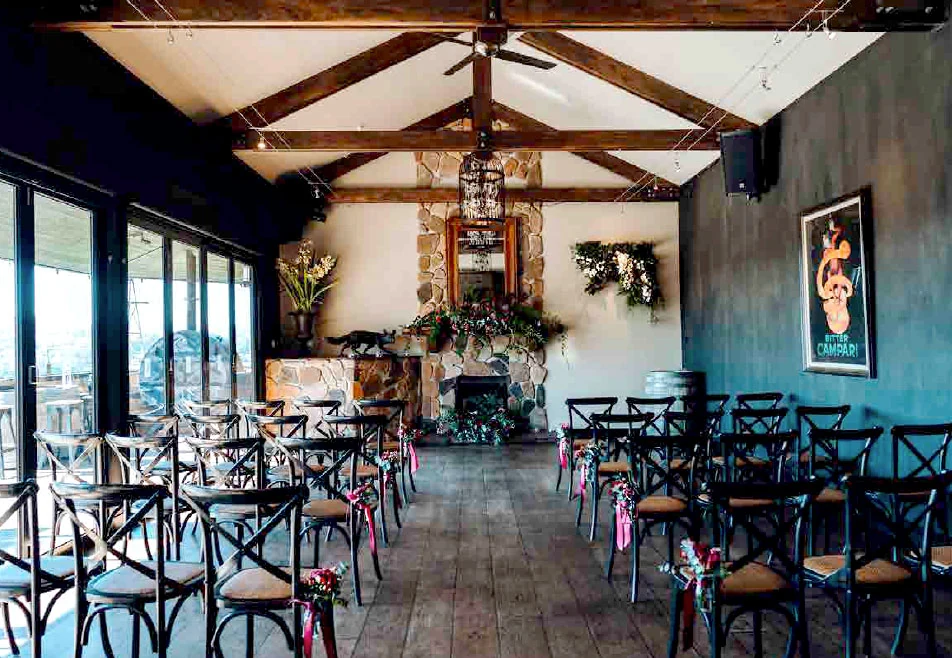
Let the Venue’s Natural Features Guide the Styling
Before choosing colours, flowers or furniture, start with the natural features that already define the space. At Forest Edge, this may include our garden ceremony setting, surrounding views, timber details, soft greenery, open outlooks and the transition from ceremony to reception.
When styling works with these features, the result feels cohesive and calm. Guests may not notice every individual detail, but they will notice that the day feels connected, considered and comfortable. This is especially important in a country setting, where the landscape is one of the main reasons couples choose the venue.
Good styling does not need to compete with the view. It should guide attention, add warmth and make the spaces feel like they belong to the couple.
Use the Surrounding Landscape as the Colour Palette
The landscape around Forest Edge already offers a natural colour palette. Couples can draw from layered greens, soft neutrals, warm timber tones, muted floral shades and the changing colours of the Gembrook countryside throughout the year. These tones can then flow into linens, florals, stationery, signage, bridesmaid dresses and table details.
Soft greens, cream, ivory, stone, taupe and warm beige often sit comfortably within our garden and country setting. For couples wanting more colour, muted blush, dusty rose, terracotta, deep green, rust or soft blue can work well when used with restraint. The key is to choose shades that feel like they belong within the surrounding gardens and views.
Bright or high-contrast colours can still work, but they need to be handled carefully. If the ceremony backdrop is open and scenic, overly bold styling can pull attention away from the couple and the setting. A softer palette often allows the views, flowers and natural light to do more of the work.
Frame Rather Than Fight the Views
The view should be treated as part of the styling. At Forest Edge, the ceremony setting and surrounding outlook are a major part of the experience, so ceremony décor should frame the landscape rather than hide it.
A slim arbour, low floral arrangements or asymmetric greenery can define the ceremony area without blocking the view behind the couple. Ground-based arrangements can also work beautifully because they add softness while keeping the sightline open. This allows guests to see the couple, the ceremony details and the landscape at the same time.
For the reception, the same idea applies. Table layouts, signage, floral installations and lighting should support the room and its outlook. If the dining space already feels connected to the gardens and ranges, a few well-chosen details can be more effective than filling every corner.
Echo Natural Textures and Materials
Our country setting works beautifully with textures that feel natural to the environment. Timber, linen, ceramic, stoneware, woven materials, cotton, foliage and seasonal flowers all sit comfortably within the property. These materials add depth without making the styling feel too formal or staged.
Where the venue already features timber or warm interior details, those tones can be repeated in signage, table numbers, charger plates, seating charts or cake stands. Linen napkins, textured runners and simple ceramic vessels can soften reception tables without making them feel overly decorated.
Florals can also echo the setting. Loose, garden-style arrangements, seasonal greenery, meadow-inspired flowers and native foliage often feel more natural than tight, formal arrangements. The aim is not to make the flowers look unfinished, but to make them feel like they belong beside the gardens and views.
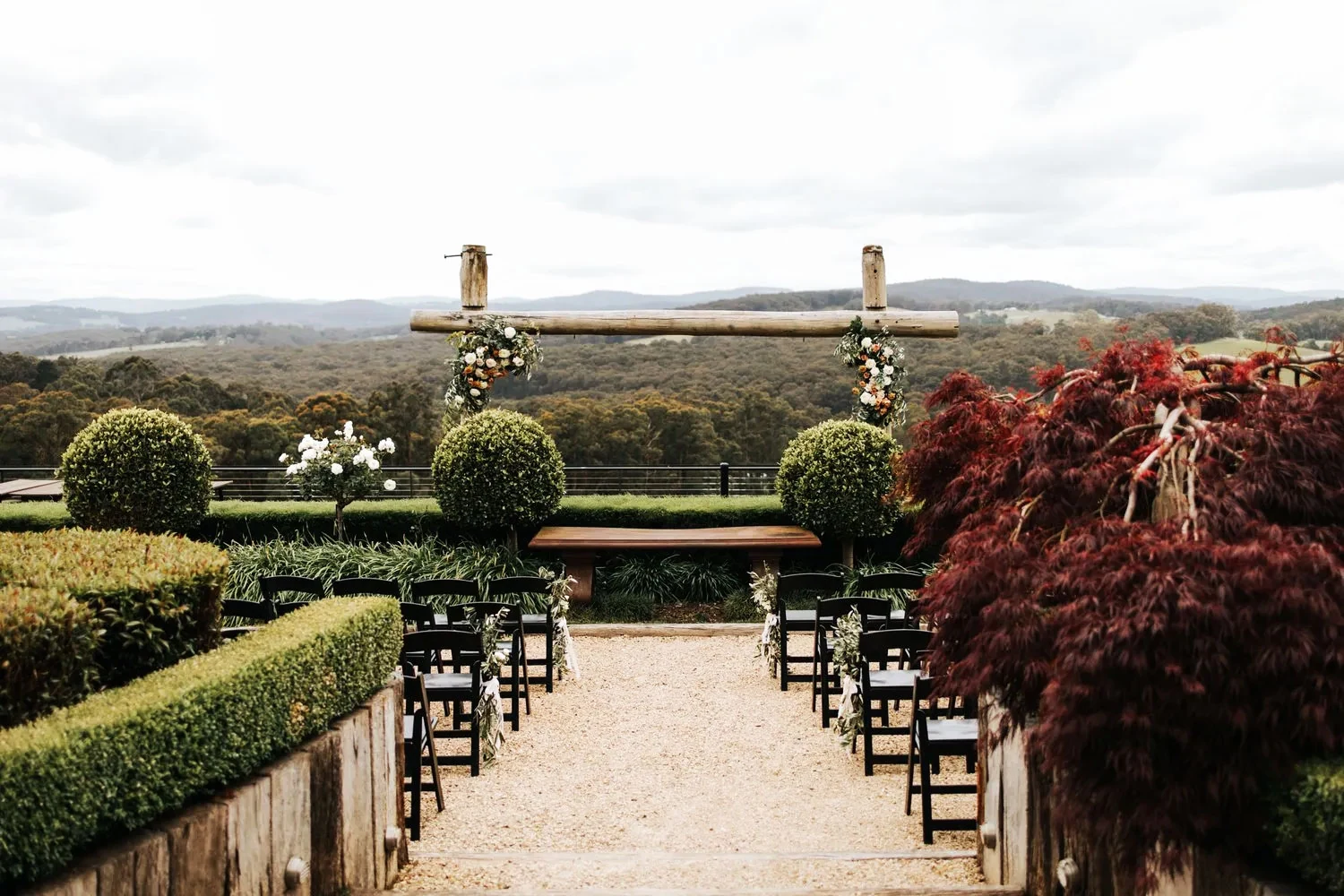
Use the View as Part of the Ceremony Backdrop
A country ceremony does not need an elaborate backdrop. In many cases, the strongest backdrop is already there. The ceremony styling should help draw the eye towards the couple while allowing the landscape to remain part of the moment.
At Forest Edge, many couples choose an outdoor ceremony because they want their vows to feel connected to the setting. This means the ceremony layout, arbour, aisle and seating all need to work with the view, the light and the natural flow of the space.
Rather than starting with décor, start with orientation. Where will the couple stand? What will guests see behind them? How will the view appear in photographs? These practical choices have a major effect on the final look of the ceremony.
Position the Aisle and Seating With Purpose
The aisle should feel like a pathway into the setting. A simple, straight aisle can work beautifully when it leads towards the strongest view or ceremony focal point. It helps create a sense of arrival and allows the landscape to become part of the visual story.
Seating should support the same idea. Low-profile chairs or benches are often better suited to an outdoor country ceremony than tall or heavily detailed seating. Timber chairs, neutral cushions or simple cross-back chairs can feel warm and relaxed while allowing the view to remain open.
It is also worth considering the time of day. Light changes quickly in an outdoor setting, so the ceremony layout should account for sun direction, guest comfort and photography. Guests should not be looking directly into harsh sun, and the couple should be positioned in a way that allows the photographer to capture both the moment and the setting.
Keep Ceremony Florals Balanced
Ceremony florals should add softness and definition without overwhelming the space. In a scenic country setting, less can often feel more refined.
A full floral wall or heavy draping may not be necessary when the surrounding gardens and views already create a strong backdrop. Instead, couples can use low arrangements at the base of the arbour, asymmetrical florals, seasonal foliage or simple clusters placed near the aisle entrance.
The flowers should feel connected to the rest of the styling. If the reception tables use soft garden-style arrangements, the ceremony flowers should feel like the beginning of that same design story. Repeating one or two key flowers or colours can help the whole day feel cohesive.
Consider Guest Comfort as Part of the Styling
Good styling is not only visual. It also affects how guests feel. In an outdoor ceremony space, comfort details can be styled beautifully while still serving a practical purpose.
Parasols, handheld fans, baskets of wraps, umbrellas, water stations or shaded waiting areas can all be incorporated into the look of the day. When these items are displayed in baskets, timber crates or simple stands, they feel intentional rather than last-minute.
This is especially useful for country weddings, where the weather, temperature and ground conditions can vary. Practical details are part of the guest experience, and when they are styled well, they add to the overall atmosphere instead of distracting from it.
Carry the Setting Through to the Reception Space
A country wedding should feel connected from ceremony to reception. After guests have enjoyed the gardens and views, the reception should continue that feeling rather than shift into a completely different style.
In our reception space, styling choices can continue the feeling of the gardens and views, so the day flows naturally from ceremony to dining and dancing. Colours, textures, florals and lighting should create a smooth transition from the outdoor setting into the evening celebration.
The goal is to make guests feel as though they have moved into the next part of the same celebration.
Reflect the Landscape in Table Styling
Reception tables are one of the most important styling areas because guests spend much of the evening seated. The table setting affects the look of the room, the comfort of the meal and the way the celebration photographs.
A natural palette works well in our reception setting. Linen runners, neutral napkins, ceramic vessels, timber accents, simple glassware and low floral arrangements can create a warm and considered table without feeling crowded.
Low centrepieces are often a practical choice because they allow conversation across the table. They also keep the room feeling open, particularly where views are part of the reception experience. If taller arrangements are used, they should be placed carefully so they do not block sightlines or make the table feel heavy.
Use Seasonal Flowers and Foliage
Seasonal flowers help a wedding feel connected to the time of year. Spring may suit softer blooms, fresh greenery and lighter colours. Summer can carry fuller garden arrangements and relaxed textures. Autumn works well with richer tones, turning foliage and deeper floral accents. Winter can use greenery, branches, berries and candlelight to create warmth.
The flowers do not need to match the landscape exactly. They simply need to feel compatible with it. Garden-style arrangements, natural movement and a mix of foliage and blooms often suit Forest Edge better than very structured floral designs.
Seasonal styling can also extend beyond flowers. Menus, drinks, candles, linens and guest favours can reflect the time of year without becoming themed.
Keep Reception Details Consistent
Small repeated details help the styling feel polished. This might include the same ribbon colour on bouquets and napkins, the same timber tone in signage and table numbers, or the same flower repeated on the cake, bar and place settings.
Consistency does not mean everything needs to match perfectly. Country styling often works best when it feels layered and natural. The aim is to repeat enough details that the day feels intentional, while still allowing the setting to feel relaxed.
Avoid adding too many unrelated styling ideas. If each detail comes from a different trend, the overall look can become busy. A clear palette, a few natural textures and a small number of repeated design elements will usually create a stronger result.

Focus Your Styling Budget on the Areas Guests Notice Most
Styling does not need to cover every surface to feel complete. A country venue already provides atmosphere, so the budget is often better spent on the areas guests notice and remember most.
These usually include the ceremony focal point, the welcome area, the dining tables, lighting and any spaces where guests gather for drinks, photos or speeches. Styling these areas well creates a stronger impression than spreading small décor pieces thinly across the whole venue.
A focused styling plan also helps couples make decisions more confidently. When the setting already does some of the work, each styling choice should have a clear purpose.
Prioritise Arrival and Welcome Areas
The arrival area sets the tone for the day. Guests begin forming an impression before the ceremony starts, so entry signage, a welcome table or a simple drinks station can make the celebration feel organised and inviting.
Welcome signage should suit the country setting. Timber, textured card, soft florals or simple foliage often work better than glossy acrylic or heavily polished finishes. If couples prefer a more modern look, it can still work, but the materials and colours should feel balanced with the surroundings.
The welcome area is also a good place for practical details. Order-of-day signage, umbrellas, fans, water or transport information can all be presented in a way that feels useful and attractive.
Make the Dining Space the Styling Anchor
The dining space deserves careful attention because it is where guests spend much of the reception. Table styling, lighting and room layout all influence how the evening feels.
Investing in quality linens, well-proportioned florals, warm lighting and considered place settings can have a bigger impact than adding décor to less-used areas. Guests will notice what is in front of them: the napkins, candles, glassware, flowers, menus and the way the table feels as they sit down.
For country weddings, it is usually better to create warmth and texture than to overfill the table. There should still be room for food, drinks and conversation. Styling should support the dining experience, not make it harder for guests to enjoy it.
Use Statement Moments Carefully
A few statement moments can be very effective. This might include a ceremony arbour, a styled bar, a cake table, a seating chart, a fireplace arrangement or a feature floral installation near the main reception space.
The key is restraint. If everything is a statement, nothing stands out. Choose one or two high-impact areas, then let the rest of the styling support them.
Statement styling should also make sense in the venue. A large floral installation may work beautifully if it frames an existing feature, but it may feel unnecessary if it blocks a view or competes with the natural setting.
Choose Lighting That Suits the Evening Atmosphere
Lighting has a major effect on how a country wedding feels once the sun goes down. It helps guests move safely, supports the mood of the reception and keeps the setting feeling warm after daylight fades.
For evening celebrations at Forest Edge, lighting works best when it adds warmth without taking away from the natural atmosphere of the property. Warm, layered light usually works best because it flatters timber, foliage, florals and skin tones while keeping the evening feeling intimate.
Think about lighting in zones: ceremony, pathways, bar, dining tables, dance floor and outdoor gathering areas. Each zone needs enough light to function, but not so much that the country atmosphere is lost.
Work With Natural Light First
Before adding lighting, consider the natural light available at different times of day. Late afternoon ceremonies may need very little additional light, while receptions that continue into the evening need a plan for the shift from daylight to dusk.
Sunset timing should guide the run sheet. If golden-hour photos are important, allow enough time between the ceremony and reception. If guests will move between outdoor and indoor spaces after dark, pathways and entry points need to be clearly lit.
Warm lighting is usually more flattering than cool white lighting. Festoon lights, fairy lights, candles and lanterns can create a soft glow that suits the setting. Bright white or overly harsh lighting can flatten the atmosphere and make natural textures feel less inviting.
Combine Practical and Decorative Lighting
Practical lighting is essential. Guests need to see where they are walking, staff need safe working light, and key areas such as bars, bathrooms, pathways and entrances need to be easy to navigate.
Decorative lighting then adds mood. Festoon lights can create a relaxed country feel, while candles on tables bring warmth and intimacy. Lanterns can work well near pathways or outdoor gathering areas, especially when they are used consistently rather than scattered randomly.
If candles are used, safety matters. They should be placed in stable holders, kept away from loose fabric and positioned where they will not be knocked over. Glass hurricanes, lanterns and enclosed holders can help candlelight feel romantic while remaining practical. If decorative flames are part of the styling plan, it is also worth checking what can and can’t be used during fire restrictions before confirming the final design.
Let Lighting Support the Styling
Lighting should highlight the areas that matter most. It can draw attention to the ceremony backdrop, soften the dining tables, frame the bar, warm up the dance floor or make the cake table feel more intentional.
It can also help connect indoor and outdoor spaces. For example, warm lighting near windows, doorways or outdoor gathering areas can make the transition from reception to garden feel more natural.
Good lighting does not need to be complicated. It needs to be warm, well placed and suited to the tone of the wedding.
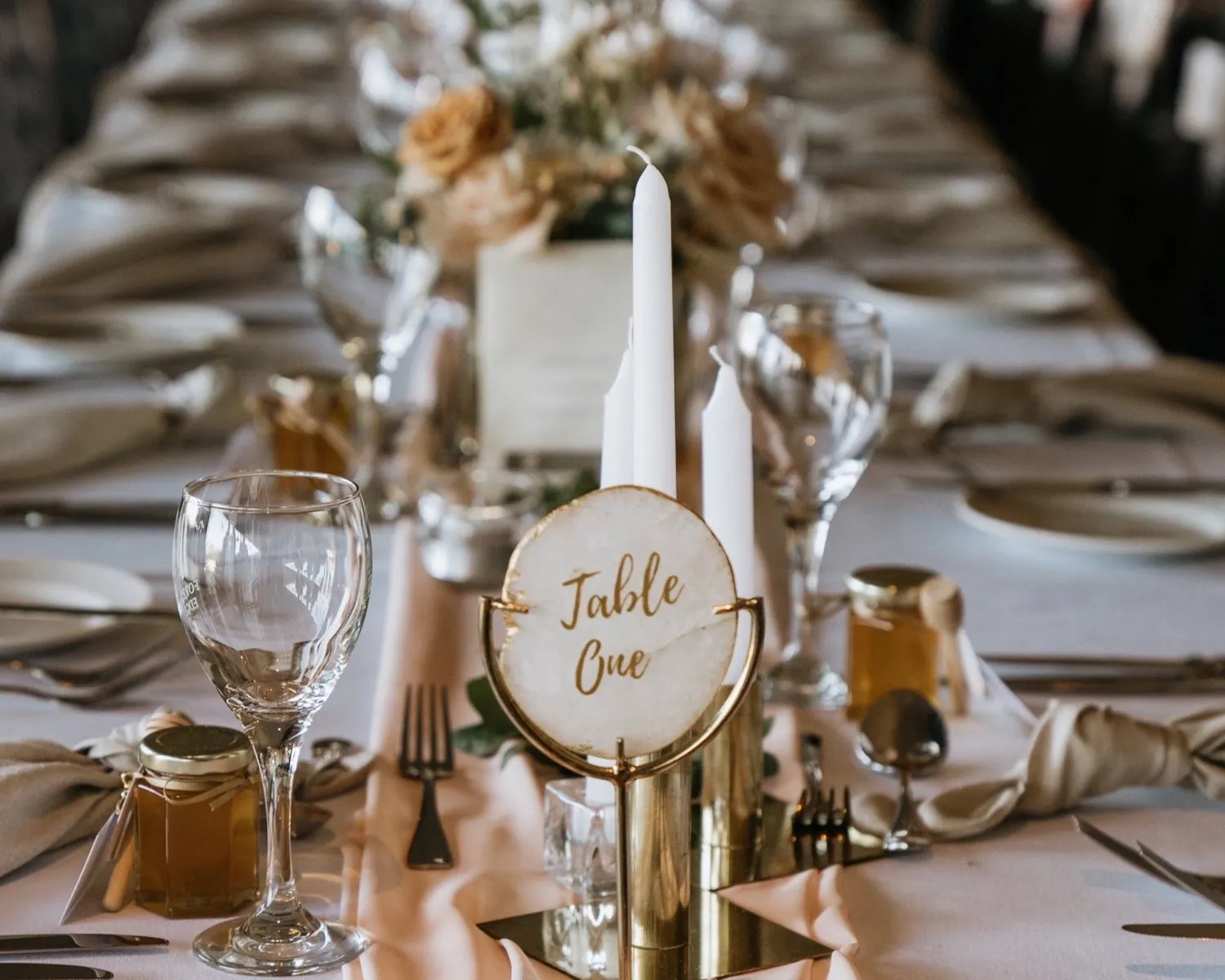
Add Personal Details Without Over-Styling the Venue
A country setting already provides character, so personal details should be chosen carefully. The aim is to make the wedding feel like the couple without cluttering the venue or distracting from the surroundings.
Personalisation works best when it is edited. A few meaningful details, repeated with care, will usually feel more powerful than trying to customise every element of the day.
At Forest Edge, couples can use personal touches to shape the experience while still allowing the gardens, views and interiors to remain central.
Choose Details That Tell a Story
Personal styling should reflect something genuine about the couple. This might include a favourite song lyric, family photos, table names based on meaningful places, a signature drink, a handwritten note at each place setting or a family recipe used as a favour.
The best personal details are easy for guests to understand. They do not need long explanations or excessive signage. They simply add warmth and make the celebration feel more connected to the couple.
A small number of story-led details can be woven through the day. For example, a meaningful flower could appear in the bouquet, table arrangements and cake styling. A favourite place could inspire table names and stationery. A family tradition could be included in the ceremony or menu.
Avoid Filling Every Surface
It can be tempting to add décor to every table, shelf, doorway and corner, but this can make a country venue feel crowded. Empty space is not always a problem. In a scenic setting, quieter areas allow the gardens, views and architecture to breathe.
Before ordering décor, identify the areas that genuinely need styling. These might include the ceremony focal point, welcome area, reception tables, bar, cake table and guest book area. Once those zones are considered, the rest of the space may only need light touches.
This approach often creates a more polished result. It also helps the venue feel like itself, rather than being covered by a theme.
Seasonal Details With Restraint
Seasonal styling can add personality when it is used thoughtfully. Spring might include blossom, soft florals or fresh greenery. Summer may suit herbs, lighter linens and relaxed outdoor details. Autumn can bring warm tones, textured foliage and candlelight. Winter may suit deeper colours, greenery, berries and richer fabrics.
The key is to repeat one or two seasonal ideas rather than using every possible seasonal reference. Too many details can make the styling feel themed instead of natural.
When seasonal details are handled with restraint, they help the wedding feel connected to the time of year and the country setting.
Create a Wedding That Feels Connected to Place
Country wedding styling is less about adding more décor and more about making thoughtful choices that belong to the setting. When the landscape guides the colour palette, materials, florals, lighting and layout, the celebration feels more natural and considered.
Our gardens, views, ceremony spaces and reception setting give couples a strong starting point before any extra styling is added. Styling should build on that foundation, helping each part of the day feel connected from the ceremony through to the final song.
By focusing on the areas guests notice most, using natural textures, keeping personal details edited and allowing the setting to remain visible, couples can create a wedding that feels refined, welcoming and genuinely their own.