

Planning a wedding is not only about beautiful details or thoughtful touches. It is also about creating an experience that feels natural from the moment guests arrive to the final song on the dance floor. At Forest Edge, we see time and again that the most memorable celebrations are the ones that move effortlessly from one part of the day to the next. As a wedding venue in Gembrook, we know that when each transition is considered early, guests feel relaxed, couples feel more present and the day unfolds with a sense of ease rather than stress or hurry.
In this article, Forest Edge shares practical guidance on how to create that kind of seamless flow. From ceremony timing and space planning to reception pacing and guest experience, the aim is to help couples shape a wedding that feels cohesive, comfortable and enjoyable from beginning to end. With the right structure in place, it becomes much easier to avoid awkward gaps, reduce logistical pressure and create a day that feels connected for everyone involved.
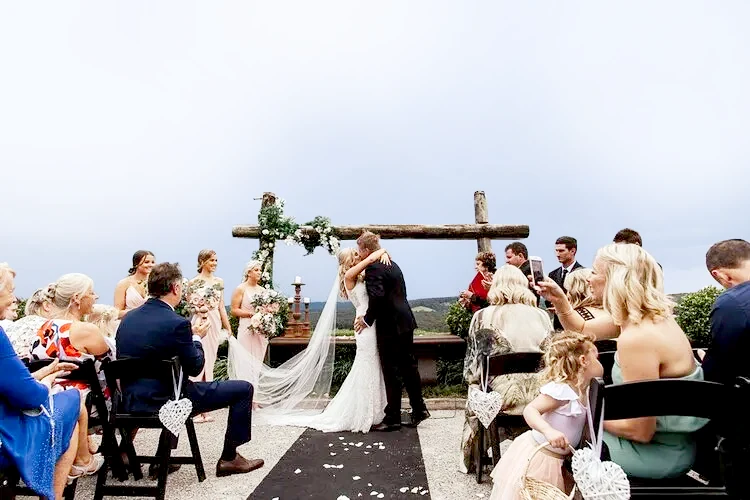
Start With the Overall Experience You Want to Create
Before choosing menus, music or décor, it helps to think about how the day should feel as a whole. A seamless wedding starts with a clear sense of the atmosphere couples want to create, from the ceremony through to the last part of the reception.
At Forest Edge, we often find that once couples define the experience they want, the practical decisions become much easier. Timing, layout, styling and supplier choices tend to fall into place when they are guided by the same overall vision.
Define the Mood and Energy of the Day
The overall atmosphere guides every other decision. Some couples want the day to feel relaxed and informal, while others picture something more traditional, polished or lively.
A relaxed celebration at Forest Edge may involve a slightly later ceremony, acoustic music while guests mingle outdoors and a less structured cocktail-style format. A more formal wedding might suit a set ceremony time, a clear order of events and a seated meal with speeches planned at specific points in the evening.
It often helps to choose three words that describe the desired mood, such as warm, intimate and joyful, or classic, romantic and polished. These can then guide decisions about music, lighting, styling and the pace of the day.
Think About the Day as a Whole
Every wedding has a natural rhythm. There are quieter moments, high-energy moments and points where guests need time to settle, eat, mingle or move between spaces. Thinking about that rhythm early helps prevent the day from feeling rushed or uneven.
Our team often suggests that couples sketch out the day in broad stages rather than focusing only on individual moments. For example, think in terms of arrival and welcome, ceremony, post-ceremony drinks, dinner, speeches and dancing. Looking at the day this way makes it easier to see whether one part feels too short, too long or too disconnected from the next.
It also helps to think about when guests are likely to be most relaxed, most hungry or most ready to dance. This makes it easier to place key moments such as speeches, meal service and dancing at points that feel natural rather than forced.
Plan How Guests Will Move Through the Day
A wedding feels seamless when guests can move easily from one part of the celebration to the next without confusion. At Forest Edge, we know this is not just about distance between spaces. It is also about timing, visibility, comfort and making sure guests are never left unsure about what comes next.
Careful planning in this area keeps the energy of the day steady. It also gives the couple time for photos or private moments without leaving guests standing around waiting.
Map the Journey From Arrival to Reception
We recommend thinking through the full guest journey during planning. Start with the arrival experience and work through each stage as though you are a guest visiting the venue for the first time.
Guests should be able to find parking or drop-off areas easily, then follow a clear path to the ceremony. Signage should be simple, consistent and positioned where people are most likely to need direction. If there is a short wait before the ceremony begins, a welcome table with water or a drink station can help guests settle in comfortably.
After the ceremony, the next step should feel clear. Whether guests are moving to a lawn, terrace or indoor space for pre-dinner drinks, the transition should feel short, easy and organised. In our experience, when the next area is visible or clearly introduced, guests move naturally without the need for repeated announcements.
Make Movement Comfortable for Everyone
Movement between spaces should feel manageable for guests of all ages. This is especially important for elderly guests, families with prams or anyone walking in heels across outdoor areas.
Our team looks closely at paths, slopes, surfaces and access points when helping couples plan the day. Level or gently sloping walkways are usually the easiest to navigate, and more awkward sections should be supported with clear direction or assistance where needed.
Small details can also make a noticeable difference. Shade before the ceremony, seating where guests may need to pause and drinks available shortly after the vows all help the day feel more comfortable and well paced.
Plan the Timing From Ceremony to Reception
A seamless wedding day depends on a realistic and well-structured timeline. Getting the timing right between the ceremony and reception helps avoid long gaps, rushed photos or delays to food service. At Forest Edge, we often remind couples that a well-paced day feels calm and natural, even though a great deal is happening behind the scenes.
Working backwards from the reception finish time, sunset and meal service is often the easiest way to build a schedule that flows properly. This helps each stage lead into the next without feeling cramped or stretched out.
Set a Realistic Ceremony Start Time
The ceremony time anchors the rest of the day. It affects preparation, photography, guest arrival, pre-dinner drinks and the start of the reception.
We encourage couples to think beyond the ceremony itself and allow time for getting ready, travel, possible delays and how the natural light will change across the afternoon. Most civil or non-religious ceremonies last around 20 to 30 minutes, while some traditional or religious ceremonies run longer.
For afternoon weddings, it also helps to allow enough time after the ceremony for congratulations, family photos and couple portraits before the light fades. A rushed ceremony time can place pressure on everything that follows, so it is worth building in breathing room from the beginning.
Allow Enough Time for the Immediate Transition
The period just after the ceremony is often where wedding timelines begin to slip. Guests want to congratulate the couple, photographers need time for group shots and family members often have questions or need direction.
We find it helps to treat this as an important part of the day rather than a quick in-between moment. Time is usually needed for the recessional, hugs and congratulations, one or two larger group photos and the start of family portraits.
When couples allow for this properly, the day tends to feel much more relaxed. Guests can enjoy the moment, and the couple is less likely to feel hurried into the next stage.
Align Photos, Pre-dinner Drinks and Reception Entry
A smooth reception start depends heavily on how photography and pre-dinner drinks are timed. If couple portraits take longer than expected or guests have too much idle time before dinner, the atmosphere can start to dip.
At Forest Edge, we usually recommend discussing photo locations and timing in detail with the photographer before the day. Family portraits, wedding party photos and couple portraits often take longer than couples expect, especially if several locations are involved.
While this is happening, guests should have a comfortable and engaging place to gather. Drinks, canapés, music and space to mingle all help maintain the mood. When these elements are timed well, the move into the reception feels like a natural continuation of the celebration rather than a waiting period.
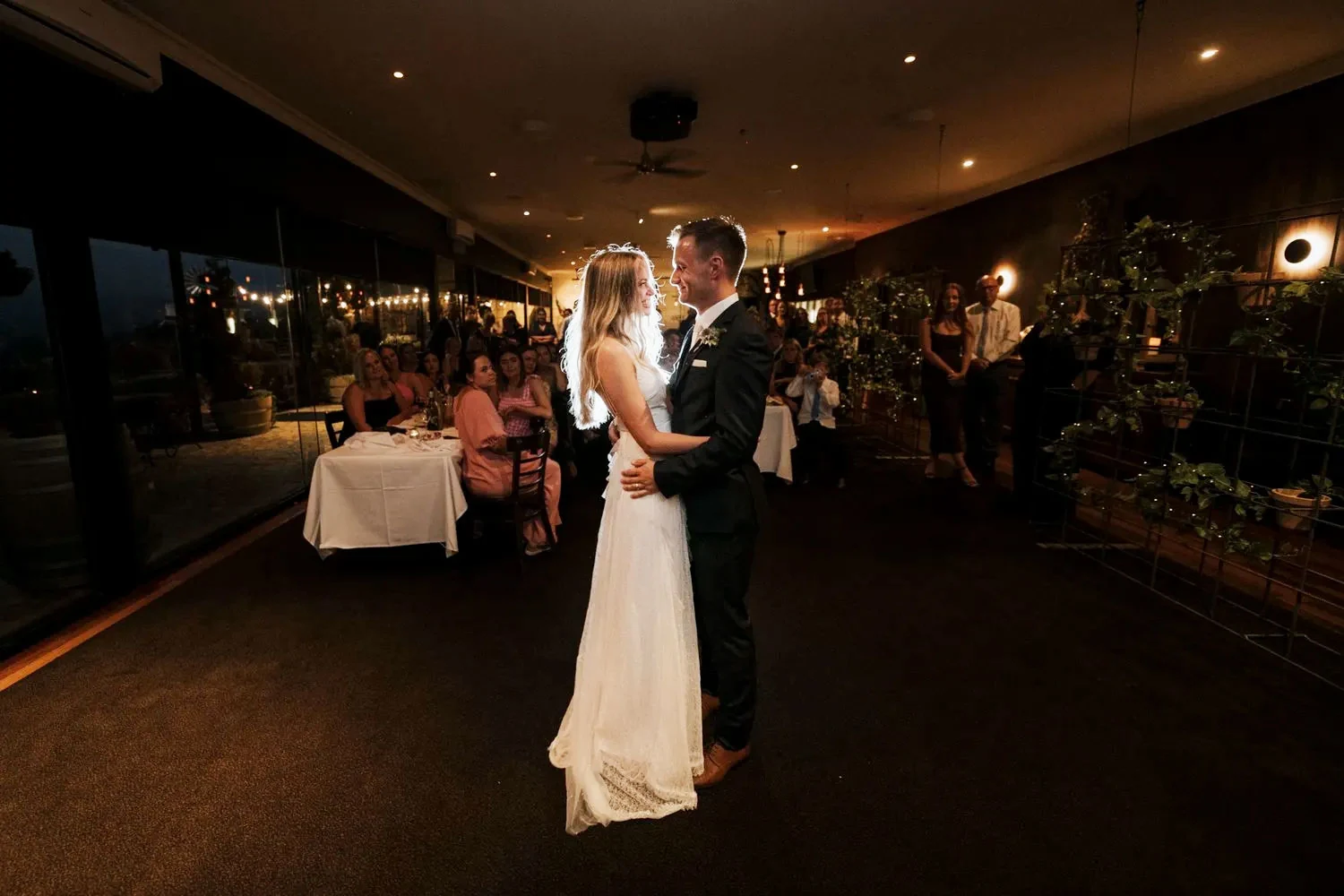
Create a Layout That Encourages Comfort and Connection
A thoughtful layout makes a wedding feel easy to enjoy. When guests can move through each area naturally, find what they need and settle into each stage without unnecessary friction, the whole day feels more comfortable.
At Forest Edge, layout planning is not only about what looks best. It is also about how people interact with the space. Good layout choices help prevent bottlenecks, support conversation and create a stronger sense of connection throughout the celebration.
Position Key Areas with Flow in Mind
Each part of the venue should feel connected to the next. Ceremony areas, drink stations, restrooms, reception entrances and seating should all be easy to find and sensible in relation to one another.
We pay close attention to how these spaces interact during the actual flow of the day. For example, guests should not need to cross back through the ceremony space to reach drinks, and key areas such as restrooms or the bar should be easy to locate without pulling people away from the main atmosphere of the event.
A drinks area that sits too far from the ceremony may slow momentum, while a reception entrance that is hidden or closed off can make the next stage feel less clear. The aim is to create a layout that supports the order of events and keeps people naturally connected to what is happening around them.
Use Seating and Zones to Shape the Atmosphere
Furniture placement has a significant effect on how people gather and interact. At Forest Edge, we often suggest creating a mix of seating styles so guests can choose what feels most comfortable for them.
For the reception, tables should allow enough space for service and for guests to move around easily. Long tables create one kind of energy, while round tables often suit mixed groups better. The right option usually depends on the overall feel of the wedding and how the room is being used.
In cocktail or lounge areas, smaller seating clusters tend to work better than one large block of furniture. They encourage natural conversation and help the space feel relaxed rather than rigid. A combination of standing tables and seated areas also gives guests more choice in how they spend that part of the event.
Prepare for Weather Without Losing the Atmosphere
Outdoor weddings can be beautiful, but Australian weather can be unpredictable. Rain, wind or a cool evening can quickly change how a space feels if there is no clear backup plan in place.
At Forest Edge, we believe weather planning should feel like part of the original wedding design rather than an afterthought. A good wet weather or temperature backup should protect guest comfort while still preserving the character and atmosphere couples were drawn to in the first place.
Create Flexible Ceremony and Reception Setups
A smooth weather plan starts with flexibility. Couples should know in advance what changes will be made if the forecast shifts and how those changes affect the flow of the day.
We encourage couples to plan both an outdoor setup and a secondary option that still feels visually connected to the overall wedding style. This might mean using the same florals, ceremony structure or decorative details in both spaces so the change does not feel abrupt.
For the reception, it also helps if important elements such as the bar, guestbook and cake table can work comfortably in either setup. The easier it is to adapt the plan without changing the feel of the event, the less stressful those decisions become on the day.
Keep Guests Comfortable in Changing Conditions
Practical comfort details can make a major difference to the mood of the wedding. Guests are far more likely to stay relaxed and engaged when they are dry, warm and comfortable throughout the day.
At Forest Edge, we often suggest items such as umbrellas, blankets, shawls or heaters depending on the season and the forecast. Covered paths, stable flooring and sheltered waiting areas can also help outdoor weddings feel much more manageable in mixed weather.
These details do not need to take away from the atmosphere. When chosen carefully, they can support the styling of the day while also helping guests enjoy the celebration without distraction.
Bring It All Together on the Day
On the day itself, all of the planning needs to translate into a smooth and confident experience. This is where a clear run sheet, aligned suppliers and simple guest guidance make a real difference.
At Forest Edge, we know that a seamless wedding is usually built on many small decisions being handled well behind the scenes. When everyone involved understands the timing and the plan, the day feels easier for the couple and more enjoyable for their guests.
Create and Share a Clear Run Sheet
A detailed run sheet helps every part of the day stay on track. It should outline what is happening, when it is happening, where it is happening and who is responsible for each stage.
We recommend sharing this with the venue coordinator, celebrant, photographer, MC and any key suppliers before the wedding day. That way everyone is working from the same schedule and can support the flow of events without needing last-minute clarification.
The run sheet should include the ceremony time, photo sessions, the start of pre-dinner drinks, guest seating for the reception, speeches, cake cutting and the first dance. When these moments are clearly mapped out, it becomes much easier to keep the day moving naturally.
Keep Suppliers Working to the Same Plan
A smooth flow depends on suppliers working in sync rather than in isolation. Florists, stylists, caterers, musicians, photographers and the MC all influence how the day unfolds.
In our experience, it helps for couples to have one main point of contact so suppliers know who to approach with timing questions or small changes. This reduces confusion and helps decisions be made quickly if anything needs adjusting.
When supplier arrival times, bump-in schedules, food service and key moments are all coordinated in advance, the celebration feels much more settled from start to finish.
Guide Guests Clearly at Key Moments
Guests feel more comfortable when they are given clear direction at the right times. That guidance does not need to be constant or overly formal, but it should be easy to follow.
At Forest Edge, this often means a simple mix of signs, verbal cues from the celebrant or MC and staff presence at major transition points. These touches help guests move from the ceremony to drinks, then into the reception, without uncertainty.
When people know where to gather and what is happening next, the atmosphere stays relaxed. That clarity is one of the key ingredients in a wedding day that feels effortless.
At Forest Edge, we know that a seamless wedding day does not happen by accident. It comes from thoughtful planning, realistic timing, well-connected spaces and a clear understanding of how each part of the celebration fits together.
When the flow of the day is considered early, everything tends to feel more settled. Guests stay comfortable, transitions feel natural and couples are far more able to enjoy the experience instead of worrying about what happens next.
From ceremony timing and layout to reception pacing and weather planning, each detail plays a part in shaping how the day feels. When those elements work together, the result is a wedding that feels cohesive, relaxed and genuinely enjoyable from beginning to end.