

Choosing the right season can shape the entire feel of a country wedding. At Forest Edge in Gembrook, the surrounding gardens, forested views and changing light all play a role in how the day looks and feels. Spring brings fresh greenery, summer offers long outdoor evenings, autumn creates rich seasonal colour and winter shifts the focus to warm interiors, candlelight and intimate celebrations.
For many couples, autumn is the strongest all-round choice for a country wedding in Victoria because it offers mild temperatures, softer light and beautiful seasonal colour. Spring is also popular for fresh gardens and romantic florals, while summer and winter suit couples with more specific priorities around outdoor celebrations or cosy indoor receptions.
We encourage couples to think about how they want to use the property throughout the day, from a garden ceremony to an indoor reception that still feels connected to the surrounding views. The best time of year depends on the atmosphere you want to create, the comfort of your guests and how much of the celebration you would like to spend outdoors.
This guide explains how spring, summer, autumn and winter can influence a wedding at Forest Edge, from ceremony timing and photography to guest travel, menus and wet-weather planning.
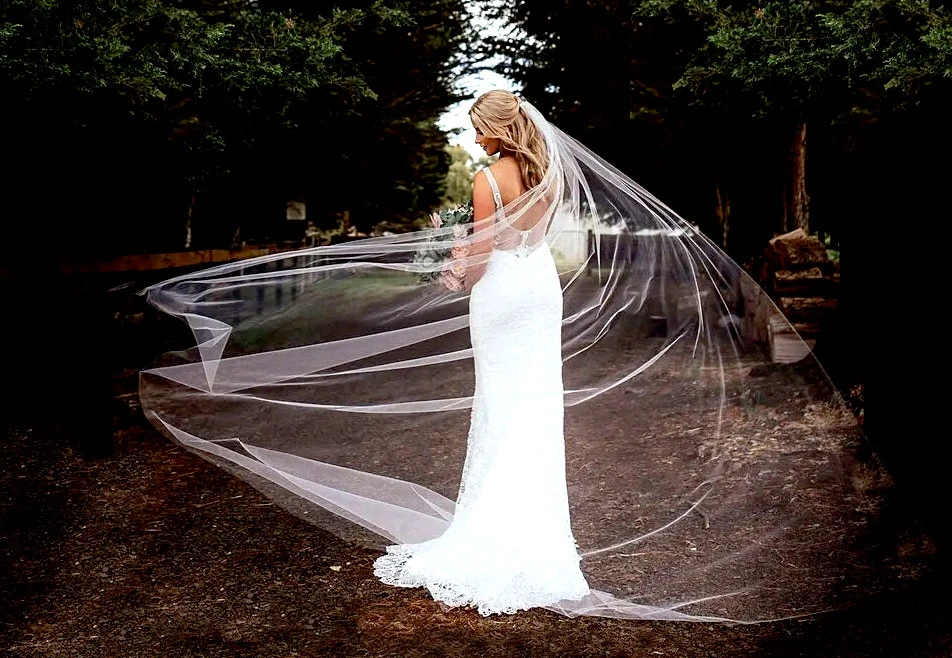
What to Consider When Choosing Your Wedding Season
Choosing the right time of year for a country wedding involves more than picking a favourite month. Each season affects light, temperature, guest comfort, styling, photography and how the surrounding gardens and ranges appear throughout the day.
In Gembrook, couples often need to plan for the beauty and unpredictability of a country setting. A clear seasonal plan helps make the most of the gardens, views and indoor spaces without relying on perfect weather. Outdoor ceremonies can make the most of the garden ceremony setting and surrounding outlook, while indoor options provide reassurance when conditions change.
The natural environment changes across the year in a forested and elevated setting. By considering climate patterns, daylight hours, floral availability, guest travel and how much of the celebration you want to hold outdoors, it becomes much easier to choose a season that suits both the style and practical flow of the day.
Weather, Temperature and Comfort
Victoria’s weather can shift quickly, especially in a country setting, so planning should focus on typical seasonal patterns rather than the hope of one perfect day. Summer can bring long, warm evenings that suit outdoor ceremonies and relaxed receptions, but it can also bring heatwaves and increased bushfire risk. Shade, water, guest comfort and a clear hot-weather plan are essential.
Autumn usually offers a comfortable balance of mild days and crisp evenings, which works well for formal attire, outdoor ceremonies and receptions that move naturally from daylight into candlelight. Winter brings cooler temperatures, shorter days and a greater need to plan around indoor comfort, while spring is often fresh, green and romantic, although showers, wind and cooler evenings still need to be considered.
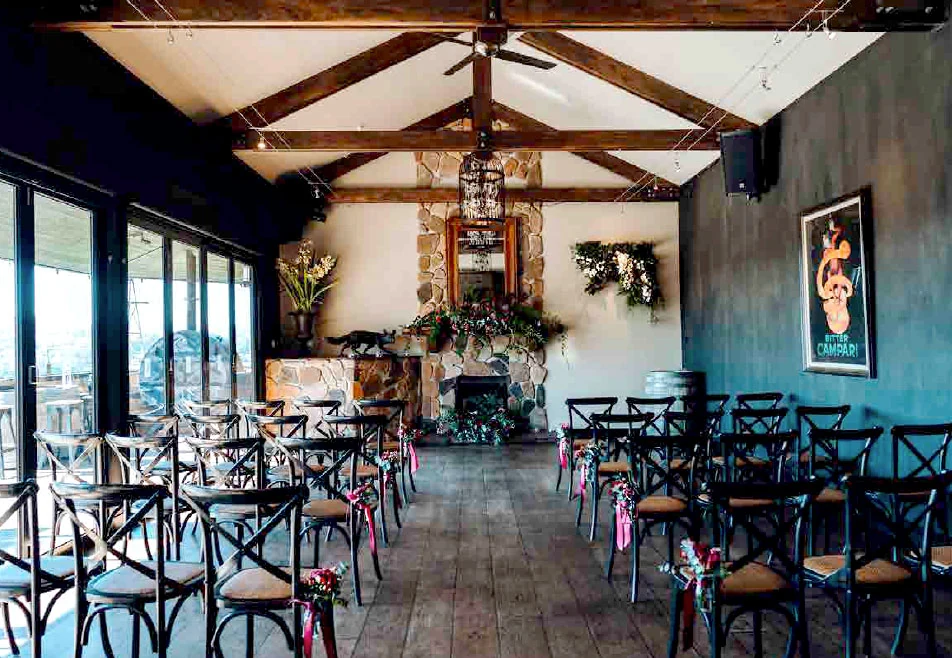
Having both outdoor and indoor ceremony options gives couples more flexibility across the year. A garden ceremony can be the first choice, while the indoor ceremony space can provide a warm and charming alternative if the weather is not suitable for an outdoor ceremony.
Light, Scenery and Photography
Natural light and the look of the landscape are central to a country wedding. In summer, sunset is later, allowing leisurely afternoon ceremonies followed by golden-hour portraits. In winter, sunset arrives much earlier, so ceremony times and photography need to be planned carefully to make the most of available daylight.
The surrounding gardens, trees and ranges also change with the seasons. Spring brings fresh green foliage and blossoms. Summer gives the landscape a full and vibrant feel. Autumn adds rich seasonal tones, especially where deciduous trees frame the property. Winter can bring mist, soft light and a quieter, more atmospheric backdrop.
These seasonal changes can shape the whole mood of the day. The garden ceremony setting is especially suited to couples who want a ceremony surrounded by open views and natural colour, while the main dining room allows the reception to stay visually connected to the landscape through floor-to-ceiling windows.
When planning ceremony timing, couples should also consider photography. Many photographers prefer ceremonies to begin two to three hours before sunset, depending on the season, so there is enough time for family photos, couple portraits and relaxed images before the reception begins.
Guest Experience, Budget and Availability
Because many guests travel to Forest Edge for the country setting, comfort, timing and clear directions all play an important role in how relaxed the day feels. Country weddings often involve travel, parking, accommodation and driving on unfamiliar roads, so the time of year can affect the guest experience.
Longer daylight hours in summer and early autumn can make arrival and departure easier. Cooler months may require clearer communication about dress code, transport and nearby accommodation, especially if guests are travelling from Melbourne or surrounding areas.
Forest Edge’s Gembrook location gives couples a country setting without feeling too far removed from Melbourne. Even so, regional wedding logistics still matter. Couples should give guests clear directions, arrival times and transport information, particularly if the ceremony is timed close to sunset or the reception finishes late.
Season can also affect availability and cost. Popular spring and autumn Saturdays often book early, while winter or midweek dates may provide more flexibility. Public holiday weekends and school holiday periods can also influence accommodation, supplier availability and guest travel.
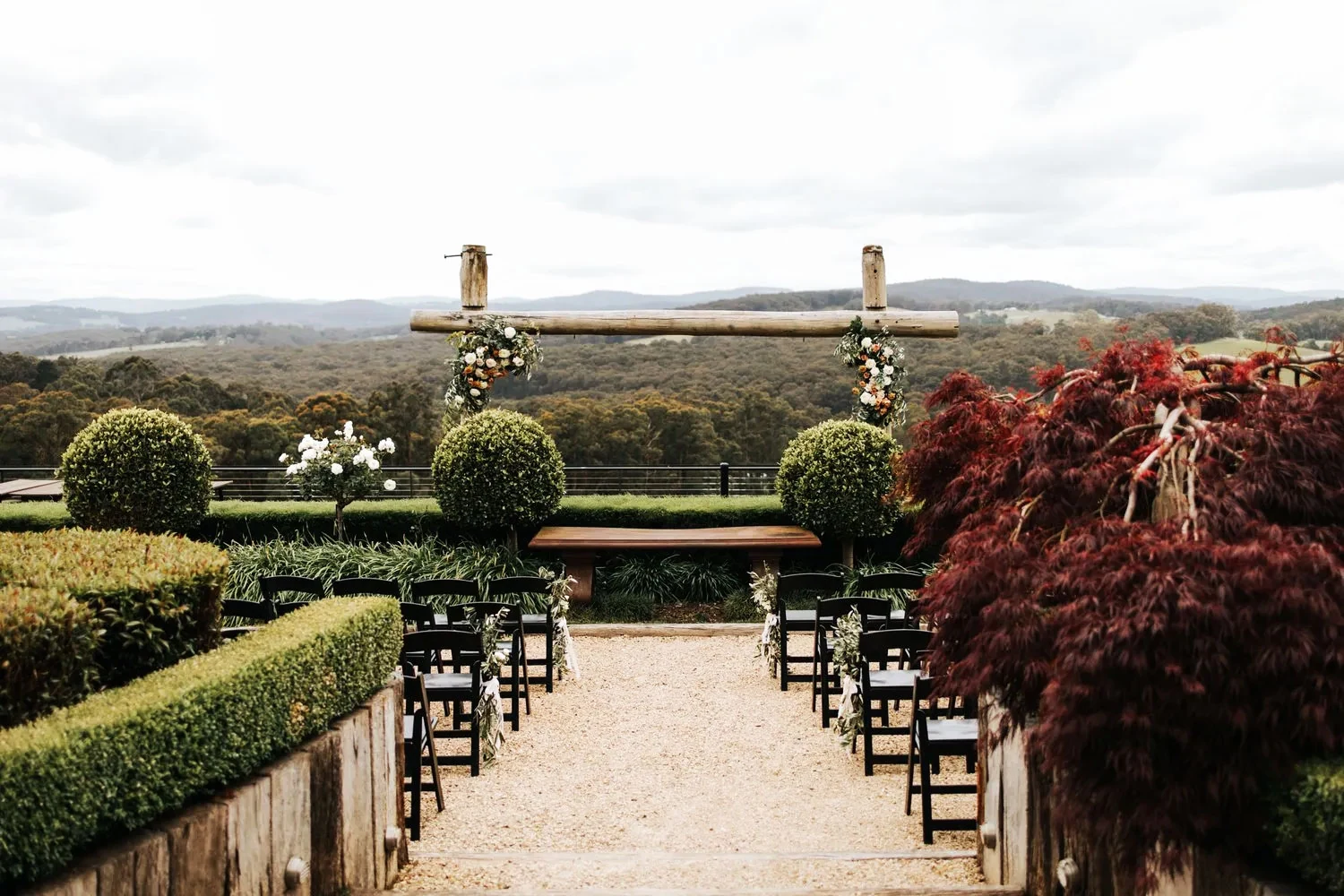
Spring Weddings: Fresh Gardens and Romantic Light
Spring is a popular choice for couples who want fresh greenery, soft light and a romantic outdoor setting. From September to November, the landscape begins to come back to life, with green gardens, blossom and new growth creating a gentle backdrop for ceremonies and photographs.
At Forest Edge, spring can suit couples who want to use the garden ceremony setting and keep the day feeling fresh, natural and elegant. The surrounding views, garden setting and softer light all work well for romantic styling, lighter florals and relaxed outdoor moments.
For country venues in the Dandenong Ranges and surrounding regions, spring usually offers a good balance of longer daylight hours and milder conditions. However, it is not a guaranteed dry season, so planning needs to account for occasional showers, cool changes and wind.
Typical Weather and Light in a Victorian Spring
Spring days in many Victorian country areas are often mild, although early September can still feel cool, especially in the evening. Late October and November can feel closer to early summer, with warmer afternoons and longer daylight.
Cloud cover in spring can create soft, even light, which is ideal for portraits and ceremony photos. Sunset gradually moves later through the season, giving couples more flexibility with ceremony start times. A mid-afternoon ceremony can work well, especially when followed by garden photos and an evening reception.
The main consideration is changeability. A sunny morning can still turn into a cool or damp afternoon, so couples should avoid planning a spring wedding that depends entirely on outdoor conditions.
Practical Planning Considerations for Spring
Spring’s changeable conditions make backup planning important. Outdoor ceremonies should have a clearly defined wet-weather alternative that still feels beautiful and intentional. The indoor ceremony space offers a warm and character-filled option that creates a very different but still romantic atmosphere.
Flooring and footwear also matter in rural and garden settings. Grass can remain damp from overnight dew or light rain, so invitations or wedding websites should mention lawn, garden or gravel surfaces where relevant. This helps guests choose shoes that suit the venue.
Guest comfort is also important. Light layers are helpful because temperatures can drop quickly after sunset. Dress codes that suggest jackets, shawls or wraps can make the day more comfortable without making it feel overly formal.
Spring florals are often a highlight. Peonies, ranunculus, garden roses, sweet peas and flowering natives can suit soft, romantic styling. Couples should also be mindful of pollen and strong fragrances, especially for guests with allergies.
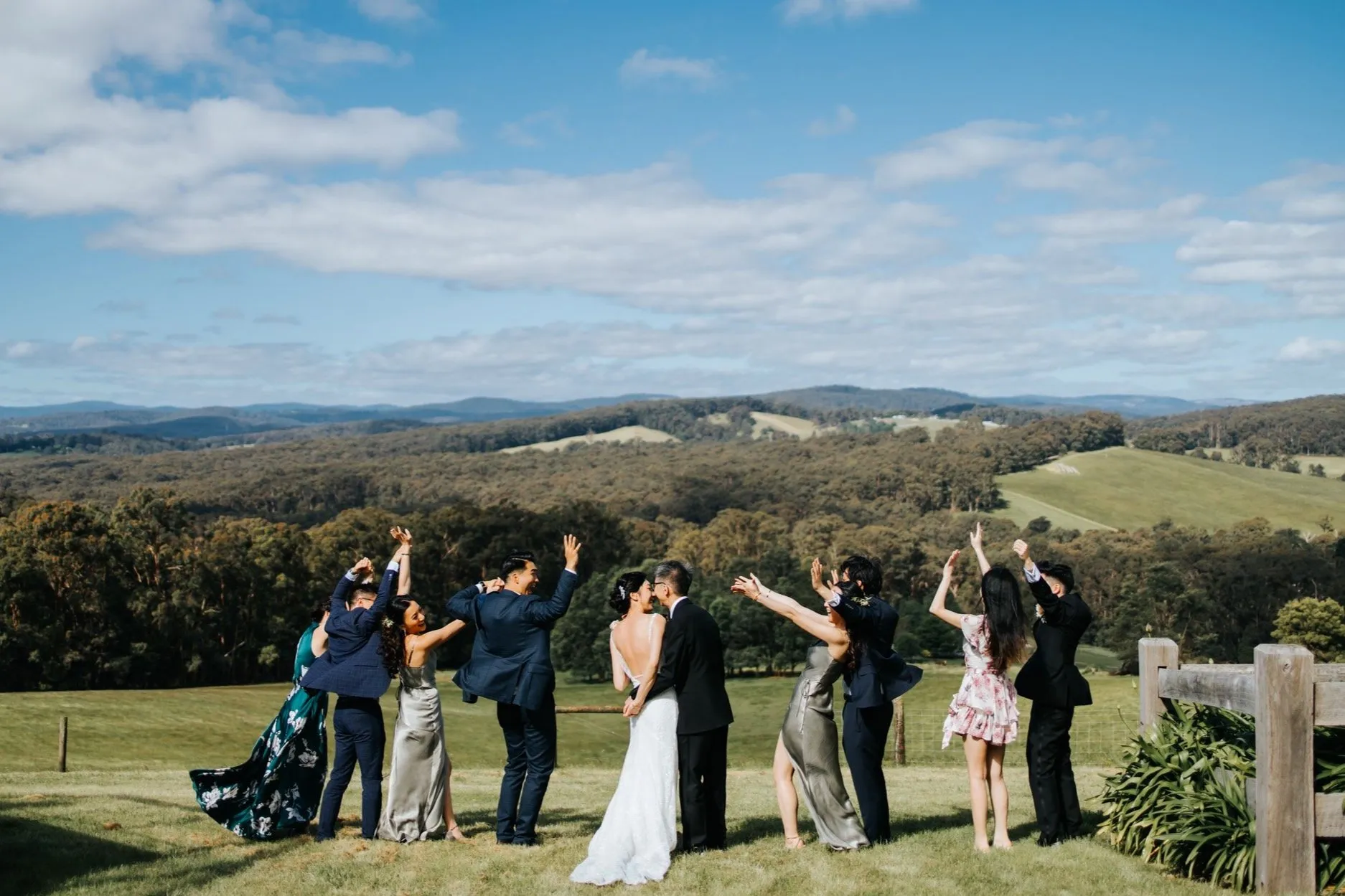
Summer Weddings: Long Evenings and Outdoor Celebrations
Summer is ideal for couples who want a relaxed country celebration with long daylight hours, outdoor drinks and a reception that flows into the evening. From December to February, the extended light gives couples more flexibility with ceremony timing, photography and guest movement.
At Forest Edge, summer can make the most of the garden ceremony setting, views and indoor-outdoor flow. Guests can enjoy the country setting for longer before moving into the main dining room for the reception. The later sunset also allows portraits to be taken without rushing immediately after the ceremony.
With the right planning for heat, fire conditions and guest comfort, summer can be one of the most rewarding seasons for a country wedding. The key is to plan realistically rather than assuming every summer day will be mild.
Weather, Light and Ideal Timing
In Victoria, summer days can range from pleasantly warm to extremely hot. Daytime temperatures in regional areas may sit in the mid-20s to low-30s, but heatwaves can push conditions much higher. For this reason, exposed early-afternoon ceremonies should be avoided where possible.
The biggest advantage of summer is daylight. Later sunsets allow ceremonies to start in the late afternoon while still leaving time for family photos, couple portraits and golden-hour images. This can create a more relaxed timeline, especially for couples who want a garden ceremony followed by canapés, drinks and an evening reception.
For comfort, ceremony locations should make use of shade where available. Water should be easy for guests to access before and after the ceremony, and the run sheet should allow people to move indoors or into covered areas if the heat becomes uncomfortable.
Styling, Comfort and Guest Experience
Summer suits lighter styling, breathable fabrics and relaxed event flow. Bridesmaids may prefer lighter materials, while groomsmen can be more comfortable in lighter suits or less structured formalwear. Guests should also be given clear dress code guidance so they can dress for warm conditions without feeling underdressed.
Comfort planning may include shaded seating, chilled water, handheld fans, parasols or a shorter outdoor ceremony on very hot days. If parts of the property include lawn, garden paths or outdoor photo locations, footwear guidance should also be included on invitations or wedding websites.
Insects can be more active around greenery during warmer months, especially in the evening. Discreet repellent stations or venue-approved solutions near outdoor seating areas can help guests remain comfortable without affecting the look of the day.
Logistics, Bushfire Season and Availability
Summer in regional Victoria also overlaps with bushfire season. Couples planning a country wedding should stay aware of fire danger ratings, possible restrictions on outdoor flames and the venue’s emergency or hot-weather procedures.
This does not mean summer should be avoided. It simply means the wedding plan should include practical alternatives. Indoor ceremony options, covered spaces and a flexible timeline can help the day feel calm even if conditions change.
Holiday periods can also affect availability and travel. Dates around Christmas, January holidays and long weekends may book early, and guests may face heavier traffic or limited accommodation. Clear directions, suggested travel times and accommodation information should be provided early.
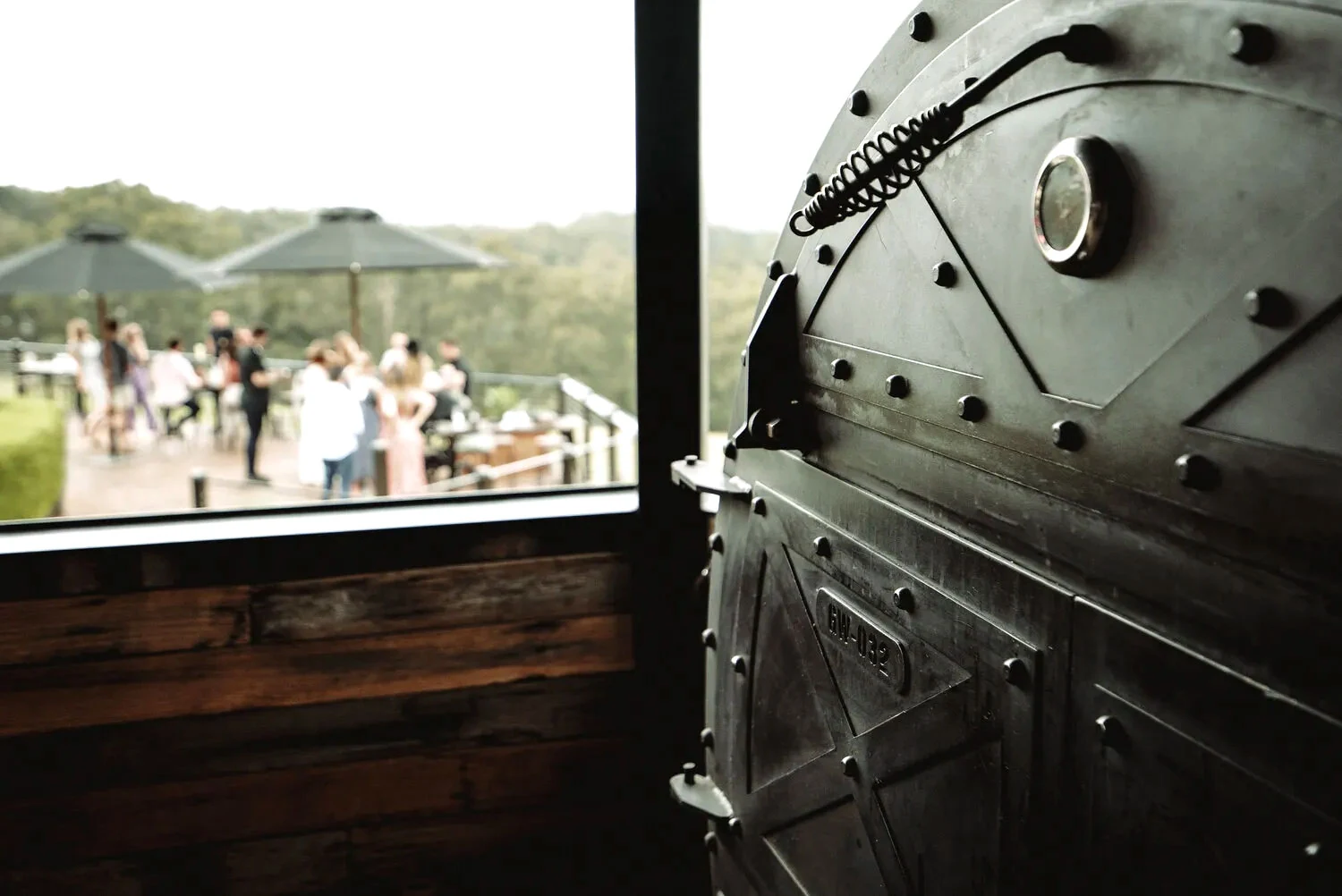
Autumn Weddings: Seasonal Colour and Comfortable Temperatures
Autumn brings together many of the qualities couples look for in a country wedding: mild weather, softer light, comfortable formalwear and rich seasonal colour. It avoids much of the intensity of summer heat while still allowing the day to include outdoor moments.
For Forest Edge, autumn is especially well suited to the setting. The gardens, surrounding trees and range views can take on a richer, more atmospheric quality, while the cooler evenings make candlelight, warm styling and seasonal food feel natural.
Couples who want an outdoor ceremony with an elegant reception often find autumn provides the right balance. March, April and early May are particularly appealing for those who want guests to enjoy the garden setting before moving indoors for dinner and dancing.
Weather Conditions and Comfort
Autumn generally brings mild days and cooler evenings. This makes it easier for guests of all ages to enjoy the ceremony, photographs and reception without the discomfort that can come with extreme heat or winter chill.
Formal attire is also more comfortable in autumn. Brides can wear sleeves, structured gowns or heavier fabrics without overheating, while grooms and attendants are more comfortable in suits than they might be in midsummer.
Rain is still possible, so a wet-weather plan remains important. However, autumn often gives couples a more stable-feeling planning window than the more changeable parts of spring.
Seasonal Colour and Styling Opportunities
Autumn offers some of the most beautiful natural styling of the year. Warm tones such as burgundy, rust, amber, caramel and deep green work naturally with country surroundings. Timber details, candlelight, brass accents, linen textures and richer floral arrangements all suit the season.
Autumn styling can work beautifully across both the outdoor garden setting and the indoor reception spaces. A ceremony in the garden ceremony setting can take advantage of seasonal colour and soft afternoon light, while the reception can shift into a warmer evening atmosphere inside.
Florals in autumn may include dahlias, roses, chrysanthemums and native foliage in deeper tones. Seasonal produce can also influence the menu, with richer dishes and desserts feeling more fitting as the evening cools.
Practical Planning Considerations for Autumn
Because autumn is so popular, couples should secure key dates early. Saturdays in March and April can book quickly, especially at venues that offer a strong outdoor ceremony setting and comfortable indoor reception spaces.
Ceremony timing still matters. As the season progresses, sunset arrives earlier, so a ceremony that works well in March may need to be brought forward in late April or May. Couples should plan the run sheet around daylight, photography and guest comfort rather than copying a summer timeline.
Autumn evenings can become cool, so guest communication is useful. Suggesting jackets, wraps or warmer layers helps guests enjoy outdoor photos, drinks or arrivals without feeling underprepared.
Winter Weddings: Intimate Atmosphere and Indoor Comfort
Winter creates an ideal backdrop for couples who prefer a cosy, intimate celebration over a large outdoor-focused event. With crisp air, earlier sunsets and softer light, the focus naturally shifts to warm interiors, rich styling and considered guest comfort.
At Forest Edge, winter works particularly well for couples who want the country setting without relying heavily on outdoor time. The indoor spaces still keep the landscape close, allowing the day to feel connected to the gardens and ranges even when the ceremony or reception is planned inside.
Rather than treating wet weather as a problem, winter weddings can be designed around comfort from the beginning. Candlelight, warm drinks, textured styling and seasonal menus can all help create a celebration that feels calm, romantic and memorable.
Weather Expectations and Guest Comfort
Winter runs from June to August, with cooler days and cold evenings. Rain, mist, cool air and damp ground are all possible in winter, so an indoor-friendly venue is important rather than optional.
A practical winter wedding plan treats outdoor spaces as a bonus. Gardens and decks can still be used for portraits or brief moments outside, but the ceremony, drinks and reception should be planned around reliable indoor comfort.
Guest communication is important in winter. Invitations or wedding websites can suggest coats, wraps, closed shoes and suitable layers. This is especially helpful for guests travelling to Gembrook from Melbourne or other areas where they may not expect the cooler conditions of a forested or elevated setting.
Comfort can be supported with warm welcome drinks, heating, baskets of blankets or shawls, and a timeline that avoids asking guests to stand outside for long periods.
Styling, Atmosphere and Photography
Winter suits richer styling choices that may feel too heavy in summer. Deep greens, burgundy, caramel, ivory, charcoal and soft metallics can all work well with timber interiors, candlelight and country views.
The indoor ceremony space can suit couples who want a more intimate ceremony or pre-reception atmosphere. Warm interiors and surrounding views can create a backdrop that feels appropriate for the season rather than like a backup plan.
For photography, winter light can be soft and flattering, but the shorter day requires careful timing. Outdoor portraits should be scheduled earlier, with covered options planned in case of rain. Verandas, large windows and indoor architectural details can all help provide variety if the weather limits outdoor photography.
Winter can also offer better availability than peak autumn and spring dates. For couples who are flexible with styling and happy to focus on indoor atmosphere, it can be a practical and beautiful choice.
Which Season Is Best for Your Forest Edge Wedding?
The best season depends on the atmosphere, scenery and guest experience you want to create. There is no single perfect month for every couple, but each season offers a different strength.
Autumn is often the strongest all-round choice for couples who want mild weather, rich colour and a natural flow from outdoor ceremony to indoor reception. Spring suits fresh gardens, romantic florals and soft light, provided there is a clear wet-weather plan. Summer works well for long evenings, later ceremonies and relaxed outdoor moments, but needs careful planning around heat and bushfire conditions. Winter suits couples who prefer candlelight, warm interiors and a more intimate celebration.
At Forest Edge, each season can work because the venue supports both outdoor beauty and indoor comfort. The right choice comes down to how you want the day to feel, how much time you want to spend outdoors and what kind of atmosphere you want your guests to experience.