

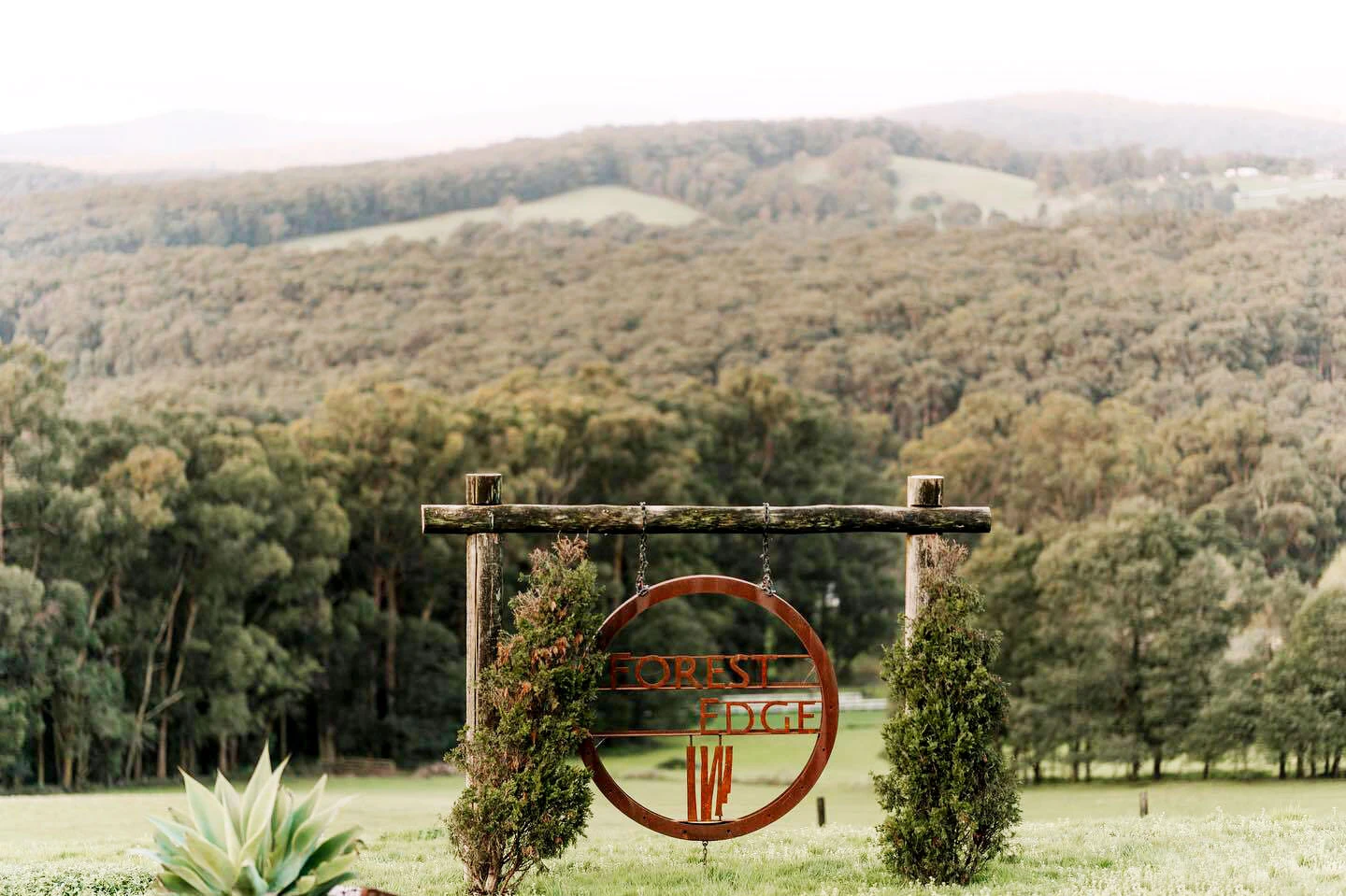
Micro weddings have evolved from a niche concept into a thoughtful alternative for couples seeking a more personal celebration without the scale and complexity of a traditional all-day event. At Forest Edge, the impact of a smaller guest list becomes clear through the atmosphere, the pacing of the day and the way the surrounding Gembrook landscape becomes part of the celebration.
This article explores what truly matters when selecting a wedding venue in Gembrook for a micro wedding, including the intimacy of the setting, guest comfort, flexible layouts and budgets that align with a smaller celebration. It also considers how natural surroundings, seasonal conditions, photography opportunities and on-site support influence whether the day feels effortless and deeply personal rather than simply scaled down.
Why the Right Venue Matters for a Micro Wedding
The venue shapes every aspect of a micro wedding. With a smaller guest list, there is nowhere for poor acoustics, awkward layouts or intrusive décor to hide. The right space should feel intimate rather than empty, give every guest a clear view and allow the couple to be genuinely present with those closest to them.
For a venue like Forest Edge, the setting also plays an important role in how the day feels. A smaller celebration can make greater use of the surrounding gardens, natural outlooks and quieter moments between formal parts of the day. Instead of relying on scale, the celebration is shaped by atmosphere, connection and how comfortably the space supports each part of the experience.
A thoughtfully chosen venue can also reduce stress and unexpected costs. When a space is already well-suited to a smaller celebration, there is less need for excessive décor, complicated floor plans or last-minute problem-solving on the day. The result is a celebration that feels intentional, personal and visually cohesive.
Setting the Tone for Intimacy and Atmosphere
Micro weddings rely on atmosphere more than scale. A venue that is too large can make 20 to 40 guests feel lost, while a cramped room can feel uncomfortable and limit movement. The space needs to suit the guest count, the style of the day and the kind of mood the couple wants to create.
At Forest Edge, the natural setting can help support that more intimate feeling. Gardens, outdoor views and warm indoor spaces can give a smaller wedding a sense of occasion without needing the formality or volume of a larger reception. The surrounding landscape also helps create quiet pauses throughout the day, from arrival and ceremony moments through to photography and evening celebrations.
When viewing a venue, consider:
- Ceiling height and room size in relation to guest numbers
- Natural light for both mood and photography
- Existing décor and how well it suits the couple’s style
- Whether the indoor and outdoor areas feel connected
- Whether the space feels warm and complete without heavy styling
Spaces with soft lighting, natural textures and a cohesive design help conversations flow and photographs look polished with minimal additional décor. For example, a smaller ceremony area with a clear focal point can avoid wide empty gaps in photos and help every guest feel part of the moment.
Practical Layout for a Seamless Guest Experience
With fewer guests, every interaction is noticed. A suitable micro wedding venue allows people to move easily between the ceremony, drinks, dining and any outdoor areas without confusion or long waits. The layout should feel simple, natural and comfortable.
This is especially important in a venue with both indoor and outdoor areas. Couples should think about how guests will move from arrival to ceremony, from ceremony to drinks and from photographs to dining. At a Gembrook venue like Forest Edge, the surrounding scenery can be a major part of the day, but the flow still needs to feel easy and well-planned.
Look closely at:
- How ceremony seating will be arranged so guests feel included
- Whether dining and speeches can take place in the same space
- How guests will move between indoor and outdoor areas
- The location of restrooms, bars, parking and photo locations
- Whether there is a wet weather option that still feels considered
Venues designed with smaller gatherings in mind often provide flexible seating options, intimate dining spaces, terraces or outdoor areas that encourage natural movement while still keeping everyone connected to the main celebration.
Budget Value and Built-In Features
The right venue can prevent small details from turning into larger expenses. A micro wedding benefits from a setting that already includes or can easily support, key elements such as a sound system for speeches, attractive furniture, wet weather options and indoor and outdoor photography opportunities.
A scenic venue can also reduce the need for heavy styling. At Forest Edge, the natural surroundings, garden outlooks and existing venue character can help frame the day without requiring couples to fill the space with excessive décor. This is particularly valuable for micro weddings, where the aim is often to create something personal and polished without overcomplicating the setup.
Couples should ask about:
- Minimum spend or minimum guest numbers
- What furniture, décor or styling elements are included
- Whether the venue already feels complete at a smaller scale
- If on-site coordination is provided to manage timings and suppliers
- How indoor and outdoor spaces can be used across the day
A venue that suits a micro wedding should not pressure couples to increase the guest list simply to meet minimums or hire excessive décor to make the space feel finished. Instead, it should already feel balanced and welcoming at an intimate scale, so every dollar spent contributes clearly to the experience.
How Guest Numbers Shape the Feel of the Day
Guest numbers influence almost every aspect of a micro wedding, from the pace of the day to how conversations unfold. Choosing to invite 20 people rather than 50 does not just change the budget. It changes how the celebration sounds, feels and flows.
In a smaller venue, the headcount also determines how spaces are used. A guest list that is too small for a large room can feel sparse, while too many people in an intimate setting can feel crowded and rushed. Getting the number right is key to creating the mood that suits the couple, the venue and the surrounding setting.
Intimacy and Interaction
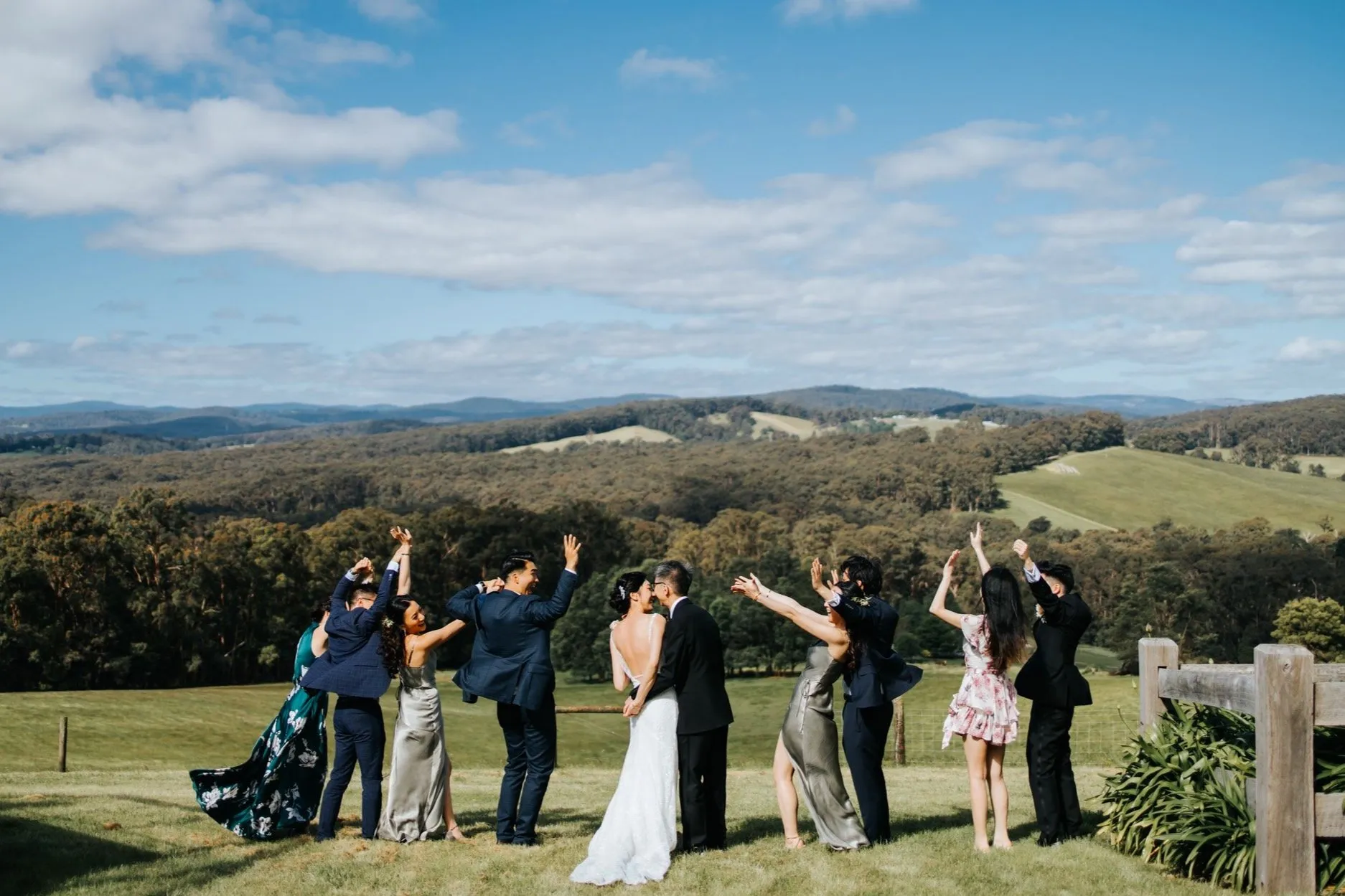
The primary benefit of a micro wedding is the opportunity for genuine connection. With 10 to 20 guests, it is realistic to speak meaningfully with everyone during the drinks reception and dinner. Conversations can linger, speeches can feel more personal and group photos are usually simpler and faster.
In a peaceful Gembrook setting, this slower pace can be one of the most memorable parts of the day. Guests are not rushed from one formal moment to the next and couples have more time to enjoy the venue, the view and the people they have chosen to include.
As numbers rise towards 40 or 50, the dynamic shifts. The event still feels small compared to a traditional wedding, but the couple may start moving between groups rather than staying in one shared conversation. This size can work well for those who want intimacy while still enjoying the energy of a livelier celebration.
Atmosphere, Noise and Energy
Guest numbers also shape how the venue sounds. A group of 12 in a cosy room creates a gentle, relaxed atmosphere. Speeches feel more like personal toasts and conversation can flow easily across a single table.
With 30 or more guests, the sound level naturally rises. Background music, laughter and movement can create more of a celebratory feel and dancing may feel more natural when there are enough people to fill a small dance floor.
The best result comes from matching guest numbers to the venue’s scale. A very small group may suit one long table in a warm, enclosed space, while a mid-sized micro wedding may benefit from a layout that combines indoor comfort with outdoor flow for drinks, photos and relaxed mingling.
Flow of the Day and Use of Space
Numbers influence timing. Smaller groups usually move quickly between moments, so the day may allow for a later ceremony, a longer dinner or more time for relaxed photography. Fewer guests can also mean shorter receiving lines, quicker bar service and smoother transitions between spaces.
At a venue where gardens and natural views are part of the experience, this extra time can be used well. Couples may choose to include a quiet photo walk, relaxed drinks outdoors or a slower transition into dinner rather than filling the day with too many formalities.
For very small weddings, it is still worth having a gentle structure so the day feels like a wedding rather than an extended meal. A defined time for toasts, a short first dance or a planned walk for photos in the surrounding grounds can give the celebration shape without making it feel overly formal.
Choosing Ceremony, Reception and Dining Options
A micro wedding allows more flexibility in how each part of the day is staged, but that freedom can make decisions feel overwhelming. The key is to match the ceremony, reception and dining format to the guest list size, the season and the type of experience planned.
Smaller numbers do not automatically mean a casual event. A micro wedding can be relaxed, formal or somewhere in between. The venue’s spaces, furniture, lighting and service style should all support the chosen mood and help keep the group connected.
Ceremony Formats and Locations
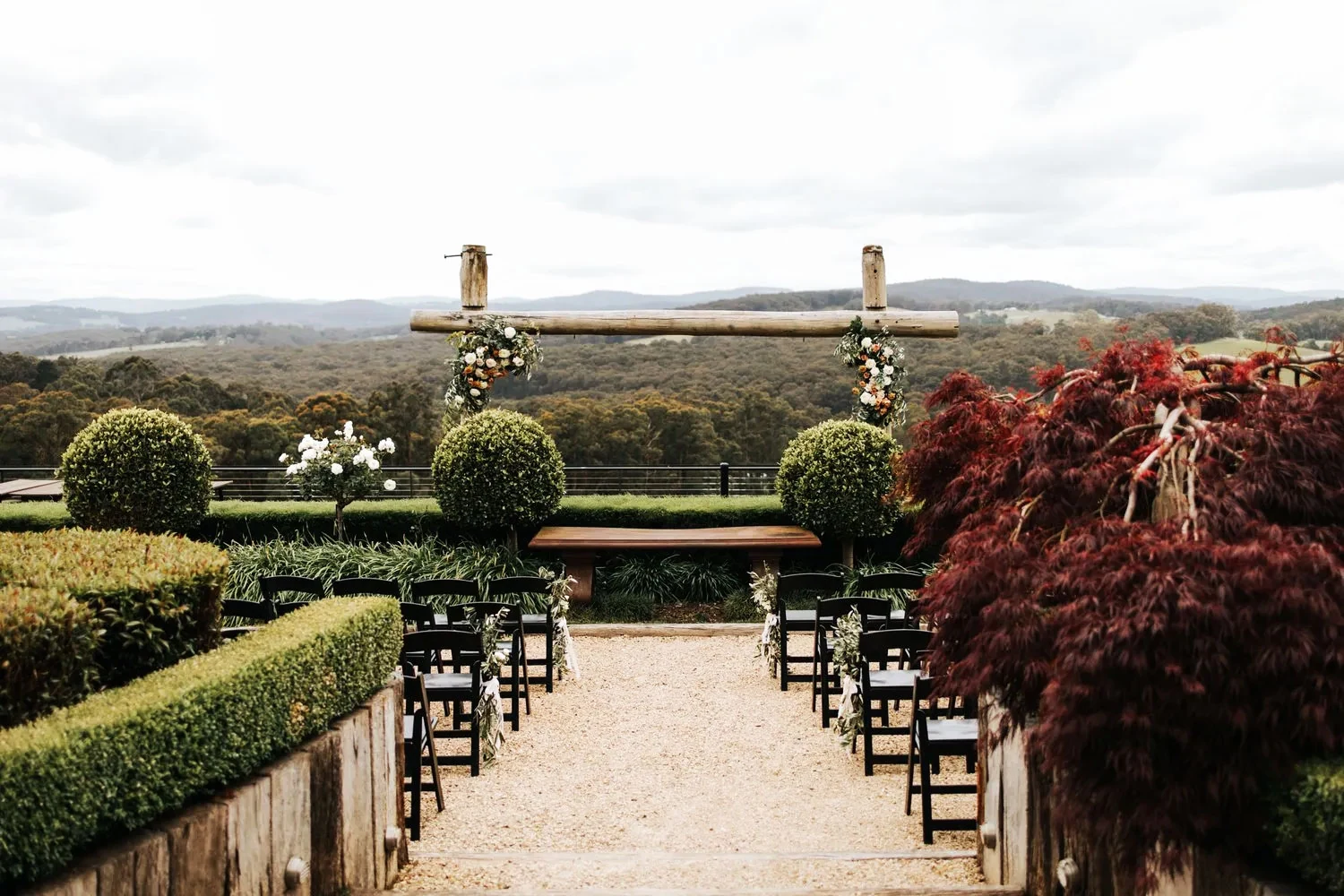
The ceremony space should feel proportionate to the guest count. Large halls or expansive lawns can dwarf a group of 20, while smaller indoor rooms, gardens, terraces or forest-edge settings can create a stronger sense of privacy and focus.
For couples considering Forest Edge, the surrounding natural scenery can become part of the ceremony atmosphere. The key is choosing a ceremony location that feels connected to the landscape while still being practical for guests, sound, seating and weather.
Ask the venue:
- How many chairs comfortably fit in the preferred ceremony location?
- Can seating be reduced or reconfigured for a smaller group?
- What wet weather options are available?
- Can the ceremony legally take place in the chosen location?
- How close is the ceremony space to the reception or dining area?
Acoustics are also important. Smaller groups often suit unamplified vows, readings or acoustic music, but the setting still needs to hold sound clearly. Indoor rooms, sheltered terraces and natural boundaries can all help guests hear and stay connected to the ceremony.
Reception Flow for Smaller Guest Lists
A micro wedding benefits from simple movement between spaces. Guests should not have to walk long distances for drinks, photographs and dinner. Ask the venue to explain how the day would flow in both fair weather and wet weather.
For drinks receptions, consider:
- One central bar or drinks area so guests naturally gather together
- A mix of soft seating and standing areas
- Clear timing for canapés or light bites
- Easy access to photo locations without separating guests for too long
- Whether outdoor spaces can be used comfortably between formal moments
Smaller weddings can suit relaxed features such as lawn games, acoustic musicians or a small tasting station. The important point is to avoid spreading guests too widely across the venue, as this can reduce the intimate feeling that makes a micro wedding special.
Dining Style and Table Layouts
Dining choices shape the atmosphere more than almost any other element. Micro weddings can use formats that are harder to manage with larger numbers, such as one long banquet table, shared platters or a more detailed dining experience.
In a venue with scenic outlooks, dining layout should also consider the view, light and guest connection. A smaller guest list may allow couples to position tables in a way that feels more personal, whether that means one shared table, a few smaller tables or a layout that keeps everyone close to speeches and key moments.
Check how many guests fit comfortably at a single table and whether the room will still feel balanced. Long tables create a communal feel but can limit cross-table conversation. Smaller round tables create pockets of conversation and a more traditional reception layout.
Service style should reflect the mood of the day. Plated courses feel polished and work well for formal celebrations, while shared dining can feel warm and relaxed. If using shared platters, make sure the tables are wide enough for both food and place settings so the meal does not feel crowded.
Thinking About Guest Comfort, Travel and Accommodation
A micro wedding reduces the guest count, but it does not remove the need for practical planning. Guests still need to arrive easily, feel comfortable throughout the day and know how they will get home or where they will stay nearby.
This is especially important for venues in rural, garden or forest-edge locations. The setting may be part of the appeal, but guests need clear information before the day so travel and timing do not become stressful.
Travel Logistics and Access
For a smaller wedding, guests may travel from different areas and may not know the venue location well. Before booking, confirm how easy the venue is to find, whether GPS directions are reliable and whether signage is clear from the main roads.
For a Gembrook wedding, it is also worth thinking about the guest experience before and after the event. A peaceful location can make the celebration feel private and memorable, but transport, parking and arrival details should be clearly communicated.
It is also worth checking:
- Distance from nearby towns, accommodation and transport options
- Availability of local taxis or private transport
- On-site parking numbers
- Drop-off points for elderly guests or guests with reduced mobility
- Lighting between the car park, entrance and main event spaces
For rural venues, late-night transport should be planned early. If taxis are limited, couples may need to recommend pre-booked transport or arrange a shared minibus from a central location.
Accessibility and Comfort on the Day
Smaller numbers do not remove the need for inclusive design. Walk through the venue with different guest needs in mind, including older guests, guests with mobility needs, families with young children and anyone who may need a quiet space.
Ask about:
- Step-free access between key areas
- Accessible toilets
- Sturdy seating with backs
- Weather protection between spaces
- Heating, cooling, shade and ventilation
- Quiet areas for guests who need a short break
In a forest-edge or countryside setting, temperature can change quickly, especially later in the day. Heating, shade, water stations, covered areas and clear wet weather plans all contribute to a more comfortable guest experience.
Accommodation and Late-Night Planning
If guests are travelling, nearby accommodation can make the celebration feel more relaxed. Couples should ask whether accommodation is available on-site or nearby and whether there are suitable options for different budgets and mobility needs.
If accommodation is not available at the venue, provide guests with a short list of local hotels, B&Bs or self-contained options with approximate travel times. It is also helpful to confirm the venue’s finish time, bar closing time and music cut-off so guests can plan transport safely.
Planning for Photography, Weather and the Flow of the Day
A smaller guest list does not automatically make the day simpler. A successful micro wedding still relies on thoughtful planning for light, weather and timing. These elements affect the atmosphere, the photographs and how relaxed the experience feels.
At Forest Edge, the natural surroundings can provide a strong backdrop for smaller weddings, but couples still need to think about how light, weather and movement will work throughout the day. The aim is to match the venue’s natural character with a schedule and backup plan that support the couple, the guests and the setting.
Photography and Natural Light
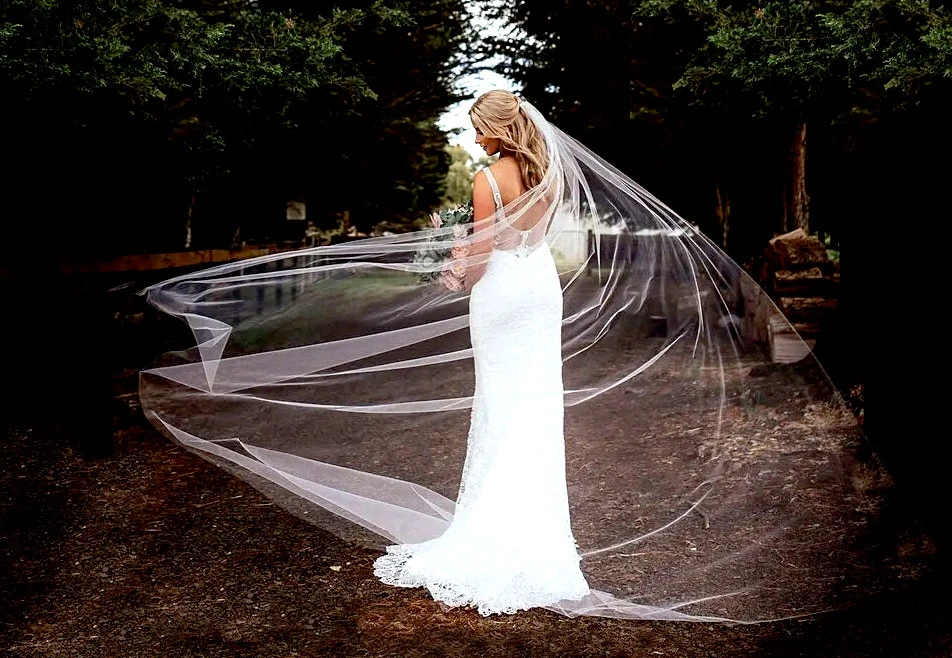
Micro weddings often involve more informal moments and closer interaction with guests, which can photograph beautifully when the light is considered carefully. When viewing a venue, try to see key spaces at the same time of day as the planned ceremony or reception.
For a venue like Forest Edge, outdoor photography may be one of the main reasons couples are drawn to the location. Garden paths, open areas, natural outlooks and forest-edge scenery can all create beautiful images, especially when the timeline allows enough time to use them properly.
Look for outdoor locations with soft natural light, such as garden paths, open lawns, forest edges or sheltered clearings. For indoor ceremonies, check where the windows are positioned and whether candles, fairy lights or other soft lighting can be used to create atmosphere without relying on harsh flash.
Preparing for Weather and Seasonal Conditions
In a Gembrook setting, weather and temperature can shift throughout the day, particularly when celebrations move between indoor and outdoor areas. Couples should ask where the ceremony, drinks and photos would move in heavy rain, strong wind or intense sun. The backup space should still feel considered and attractive, not like a last-minute compromise.
Check practical details such as:
- Hard paths for guests in heels or with mobility needs
- Covered areas for drinks and photographs
- Shade for warm days
- Heating for cooler seasons
- Whether umbrellas, blankets or outdoor heaters are available
- Any restrictions on open flames, fire pits or outdoor styling
A strong wet weather plan gives couples confidence and helps the day feel smooth no matter what the season brings.
Shaping the Flow of a Micro Wedding Day
With fewer guests, the day can feel exposed if there are long gaps or unclear transitions. A simple timeline helps the event feel relaxed while still giving it structure.
Map out the day in clear blocks: guest arrival, ceremony, drinks, portraits, dining, speeches and any evening gathering. Formal elements often work well when kept close together. For example, group photos can be taken immediately after the ceremony while everyone is present, followed by drinks and canapés so guests are not left waiting without purpose.
If a room needs to be changed from ceremony to dining, confirm how long that reset will take and where guests will go during that time. Background music, drinks, lawn games or a short walk through the grounds can keep the transition feeling natural.
What Couples Should Confirm Before Booking
A micro wedding still requires careful checks before signing a contract. The smaller guest list simply means every detail has more impact. Before committing to a venue, couples should confirm what is included, how each space can be used and what limits apply.
These points should be confirmed in writing before any deposit is paid.
Capacity, Layout and Ceremony Options
For a micro wedding, the question is not only how many guests a venue can hold but how many it can host comfortably without feeling empty. Confirm minimum and maximum guest numbers for seated and standing arrangements and ask how the room will be styled for a smaller celebration.
Clarify whether there are separate spaces for the ceremony, drinks and dinner or whether one area will need to be turned around during the day. If a reset is required, ask how long it takes, where guests will go and whether extra staffing charges apply.
Also confirm whether the venue is licensed for legal ceremonies or suitable only for symbolic ceremonies. Ask where the ceremony can physically take place and what the wet weather option looks like in practice.
Noise, Timings and Supplier Rules
Micro weddings may feel more relaxed, but venues still need to follow licensing conditions and local regulations. Confirm the cut-off time for amplified music, outdoor gatherings and bar service, especially if the venue is in a rural or residential area.
Ask about restrictions on:
- Live music
- Candles
- Confetti
- Fire pits
- Fireworks
- External caterers
- Photographers and stylists
- Next-day collection of décor or equipment
Some venues require couples to use approved suppliers or may charge additional fees for outside professionals. Confirming these details early helps avoid problems with styling, catering, entertainment and setup times.
Choosing a micro wedding venue extends far beyond finding a place that suits a smaller guest list. The venue shapes the atmosphere of the entire celebration, influencing how naturally guests interact, how comfortably the day flows and how personal each moment feels.
For couples considering a smaller celebration in Gembrook, the setting itself can become one of the most meaningful parts of the day. A venue like Forest Edge can support a micro wedding by giving couples space for quiet moments, natural photography, relaxed guest movement and an atmosphere that feels intimate without feeling underdone.
Careful attention to layout, guest comfort, seasonal conditions, photography opportunities and practical logistics helps ensure the celebration feels purposeful and cohesive rather than reduced in scale. The best micro wedding venue is one that feels intimate, comfortable and complete at the chosen guest count while still offering the practical support needed for the day to run smoothly.